
Adenovirus is a common respiratory virus that can infect people year-round. Its symptoms often resemble a cold or flu, which is why it sometimes attracts heightened attention during winter.
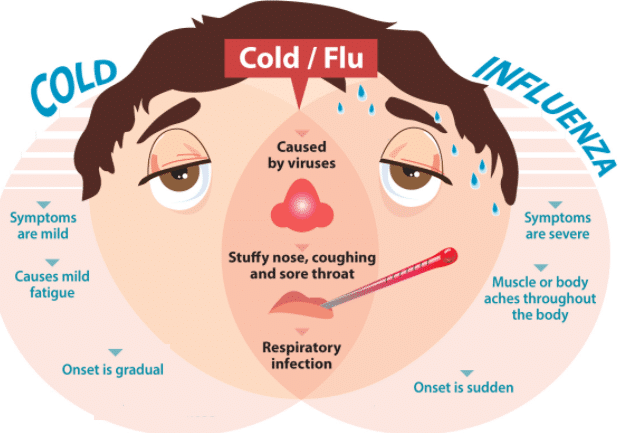
Key Facts About Adenovirus
Symptoms
- High fever
- Sore throat
- Persistent cough
- Conjunctivitis (pink or red eyes)
- Fatigue
- Recovery can take 1–3 weeks, longer than typical colds
In vulnerable individuals, adenovirus may cause bronchitis or pneumonia.
Transmission
- Respiratory droplets (coughing, sneezing)
- Contaminated surfaces
- Close contact
Common settings include schools, nurseries, care homes, and households.
Treatment
- No specific antiviral treatment
- Supportive care only (rest, fluids, paracetamol/ibuprofen)
- Antibiotics are ineffective because it is viral
Risk Groups
- Children under 5
- Older adults
- Immunocompromised individuals
Vaccine
- No vaccine for the general public
- Limited use only in specific military settings
Current Situation in the UK (Winter 2025)
According to surveillance data from the UK Health Security Agency:
- Adenovirus is circulating at typical seasonal levels
- Positivity rates remain low and stable, around:
- 2–3% overall in tested respiratory samples
- ~5–6% in children under 5
- No evidence of a sharp rise, unusual surge, or nationwide outbreak
- No adenovirus-specific alerts or emergency measures have been issued
Media reports in December 2025 have highlighted adenovirus as a cause of lingering, cold-like illness. While this is medically accurate, it has sometimes been over-interpreted as a new or escalating threat, which current data does not support.
What Is Actually Driving NHS Winter Pressure?
The main pressures on the NHS this winter are caused by:
- Severe seasonal influenza, dominated by A(H3N2)
- RSV, especially affecting young children
- COVID-19, continuing at endemic levels
- Norovirus, adding strain to hospitals and care facilities
Flu hospitalisation rates reached 8–10 per 100,000 in sentinel surveillance in mid-December 2025, far exceeding admissions linked to adenovirus.
Timeline: UK Respiratory Virus Activity (Winter 2025)
Late Autumn – Early December
- Rise in overall respiratory infections
- Influenza activity increases to medium levels
- Adenovirus detected at baseline seasonal rates
Mid – Late December
- Influenza activity stabilises or peaks
- High paediatric admissions and emergency department demand
- No adenovirus-specific spikes identified by surveillance systems
Public Health Measures & Advice
Guidance from the UK Health Security Agency and NHS applies to all respiratory viruses, including adenovirus.
Prevention
- Wash hands frequently with soap (especially effective against adenovirus)
- Avoid touching eyes, nose, and mouth
- Cover coughs and sneezes
- Stay home when unwell
- Ensure good indoor ventilation
When to Seek Medical Help
- Symptoms last longer than 10–14 days
- Worsening fever or breathing difficulties
- Signs of dehydration
- Illness in young children, elderly, or immunocompromised individuals
Healthcare Preparedness
- Standard winter surge plans activated
- Focus remains on flu, RSV, and overall respiratory demand—not adenovirus-specific response
Looking Ahead
Adenovirus will likely continue circulating through winter alongside other respiratory viruses. Post-pandemic immunity gaps may contribute to noticeable symptoms, but current evidence shows no national emergency or aggressive adenovirus surge in the UK.
Key Takeaway
Practice good hygiene, avoid assumptions about lingering “flu-like” symptoms, and seek care if concerned. These steps help manage all winter respiratory viruses effectively—not just adenovirus.