
A step-by-step look at how a quality concern escalated into a global food safety crisis
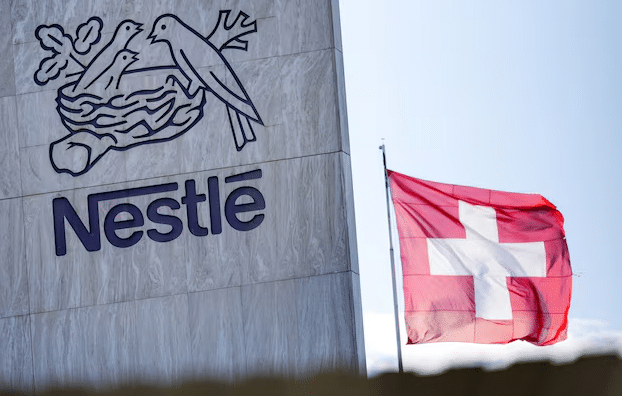
Nestlé faced mounting global attention after it recalled infant formula products in dozens of countries, following the discovery of a potential safety risk linked to a raw ingredient. What began as an internal quality alert soon developed into a worldwide recall and ended with a public apology from the company’s chief executive.
The following timeline outlines how the situation unfolded.
Late December 2025: Internal Testing Raises Alarm
In late December 2025, Nestlé identified a quality issue during routine checks at one of its production facilities in the Netherlands. The concern centered on arachidonic acid (ARA) oil, an ingredient widely used in infant formula.
Tests indicated the possible presence of cereulide, a heat-stable toxin produced by certain strains of Bacillus cereus. While additional verification was required, the findings prompted immediate internal action.
Nestlé escalated the issue to its global quality and safety teams, which initiated broader inspections across the supply chain.
“Protecting infant health requires action even when a risk is only potential,” the company later said.
Analysis
Early escalation allowed Nestlé to move quickly. Rather than delaying action, the company expanded testing and scrutiny at an early stage.
January 5–6, 2026: Recall Announced Across Europe
At the start of January 2026, Nestlé announced a precautionary recall of selected infant and follow-on formula products. The move became one of the largest recalls in the company’s history.
The initial recall covered several European countries, including the United Kingdom, Ireland, Germany, Austria, Sweden, France and Italy. Within days, the recall expanded to other regions.
Products affected included SMA Infant Formula, BEBA, NAN, Alfamino, and other infant nutrition brands in specific markets.
Authorities and the company advised parents to stop using the affected products immediately and return them for a full refund.
Analysis
Once the recall became public, the crisis entered a new phase. Nestlé chose to prioritize safety over reputational concerns, though the scale of the operation brought major logistical and financial challenges.
January 7–9, 2026: Global Alerts Issued
In the days that followed, regulators in Australia, New Zealand, the Middle East, Africa and Asia issued their own recall notices and public warnings.
Authorities in countries such as the UAE and Saudi Arabia urged consumers to discontinue use of affected formulas. They highlighted potential symptoms associated with cereulide exposure, including vomiting, nausea and abdominal discomfort.
Meanwhile, agencies like the UK Food Standards Agency released detailed updates containing batch numbers, expiry dates and distribution details.
Despite the widening recall, Nestlé and health regulators confirmed that no illnesses linked to the products had been reported.
Analysis
The absence of confirmed health cases did little to reduce concern. The rapid expansion of recalls across continents elevated the issue to a global food safety event.
Mid-January 2026: Market Reaction and Business Pressure
As the recall continued, analysts warned that Nestlé could face substantial financial losses. Some projections pointed to hundreds of millions of dollars in lost revenue and recall-related expenses.
Investor confidence weakened, and Nestlé’s share price came under pressure as questions arose about supplier oversight and quality controls.
Analysis
The incident extended beyond consumer safety. It became a significant corporate challenge during a period of broader business pressures for the company.
January 14, 2026: CEO Addresses the Public
On January 14, Nestlé Chief Executive Philipp Navratil released a video message addressing parents, caregivers and customers.
“I sincerely apologise for the worry and disruption this has caused,” he said.
Navratil confirmed that all recall measures had been completed and reiterated that authorities had not identified any illnesses linked to the recalled products.
Analysis
A direct apology from the CEO underscored the seriousness of the situation and reflected an effort to restore confidence among consumers and regulators.
Investigating the Root Cause
Nestlé has indicated that the issue likely originated from ARA oil supplied by an external vendor, rather than from the company’s manufacturing process.
Cereulide presents particular concern because it is heat-stable, meaning standard preparation methods do not neutralise it. This increases risk considerations for infant nutrition products.
The company is continuing a full root-cause investigation with the supplier while reviewing quality controls across its global supply network.
Analysis
The case highlights the complexity of modern supply chains. Even companies with rigorous standards remain dependent on constant monitoring and supplier accountability.
What This Means
- The recall was precautionary and not linked to confirmed illness
- Dozens of countries were affected worldwide
- The CEO’s apology marked a key moment in crisis management
- Supplier reviews and investigations are ongoing