
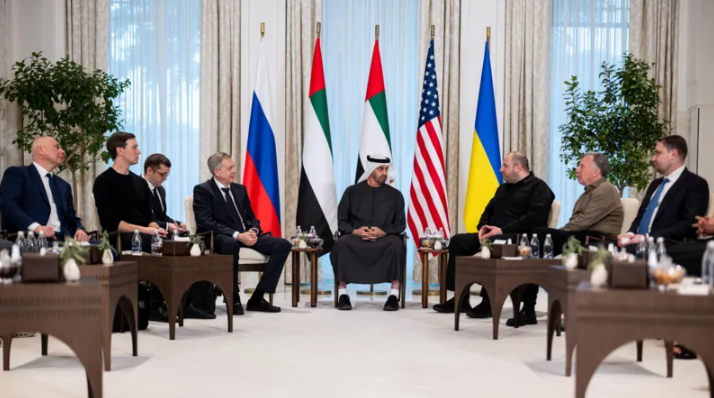
As diplomatic efforts struggle to keep up with the pace of the battlefield, the Russia Ukraine conflict continues to be shaped by long standing history, strategic geography and deep economic consequences.
The latest round of peace talks involving Russia, Ukraine and the United States ended in Abu Dhabi without progress. While negotiators focused on ceasefire proposals and security arrangements, Russian strikes continued across Ukrainian cities, reinforcing a harsh reality. In this war, diplomacy has never been able to pause the violence.
Negotiations are unfolding alongside active combat, not in its absence.
A Conflict Rooted in History
The origins of the Russia Ukraine war predate the full scale invasion launched in 2022. Following the collapse of the Soviet Union in 1991, Ukraine pursued closer political and economic ties with Europe. Moscow, however, continued to view Ukraine as central to its regional influence and security interests.
Russia’s seizure of Crimea in 2014 and its backing of separatist forces in eastern Ukraine fundamentally altered the relationship. Since then, repeated diplomatic efforts have failed to bridge the divide.
For the Kremlin, control of territories such as Crimea and the Donbas represents both strategic defense and national resurgence. For Kyiv, conceding land would undermine sovereignty and legitimize territorial conquest. This opposing view of borders and authority remains the core obstacle to peace.
The war ultimately centers on competing claims to power, territory and legitimacy.
Why the Abu Dhabi Talks Fell Short
The Abu Dhabi meeting stood out as the first trilateral talks involving Washington since the conflict intensified. The United States remains Ukraine’s primary military supporter and a potential guarantor of future security, making its presence diplomatically significant.
Yet the discussions took place amid renewed Russian attacks on Ukraine’s energy network. These strikes, carried out during winter, were widely seen as an attempt to pressure civilians and strengthen Moscow’s negotiating position.
Ukraine has consistently argued that talks conducted under military assault lack credibility. Russian strategy, meanwhile, has historically relied on applying force to gain leverage. As a result, the negotiations produced dialogue but no concessions.
Geography and Strategic Reality
Ukraine’s geography plays a decisive role in the conflict. Its largely open terrain leaves it exposed to large scale offensives, while its eastern regions form a vital corridor linking Russia to Crimea. Control over the Black Sea coastline is equally critical, influencing naval dominance, trade access and global grain exports.
Major cities such as Kyiv and Kharkiv carry strategic and symbolic weight. At the same time, Ukraine’s energy infrastructure has become a central battleground. Power stations, grids and transit routes are repeatedly targeted to trigger widespread humanitarian and economic disruption.
Control of land, energy and access routes has become as important as battlefield gains.
Economic Consequences Beyond the Front Lines
The war has delivered severe economic damage both regionally and globally. Ukraine’s economy has been hit by destroyed infrastructure, declining industrial output and the displacement of millions of people. Russia, though constrained by international sanctions, has adapted by redirecting energy exports and expanding military production, insulating itself in the short term while increasing long term risks.
Worldwide, the conflict has unsettled food supply chains, pushed energy prices higher and prompted governments to reassess defense spending and economic dependencies. Rather than forcing compromise, economic pressure has hardened positions on all sides.
Why Diplomacy Still Matters
Even without immediate results, continued talks remain significant. They indicate that diplomatic channels are not fully closed, despite escalating violence. Past conflicts suggest that serious negotiations tend to emerge only when military dynamics shift or when political and economic costs become unsustainable.
Until such conditions arise, peace efforts are likely to remain uncertain and sporadic. The conflict is not solely about ending hostilities. It is about redefining borders, influence and security in Europe, with consequences that will extend far beyond the current battlefield.