
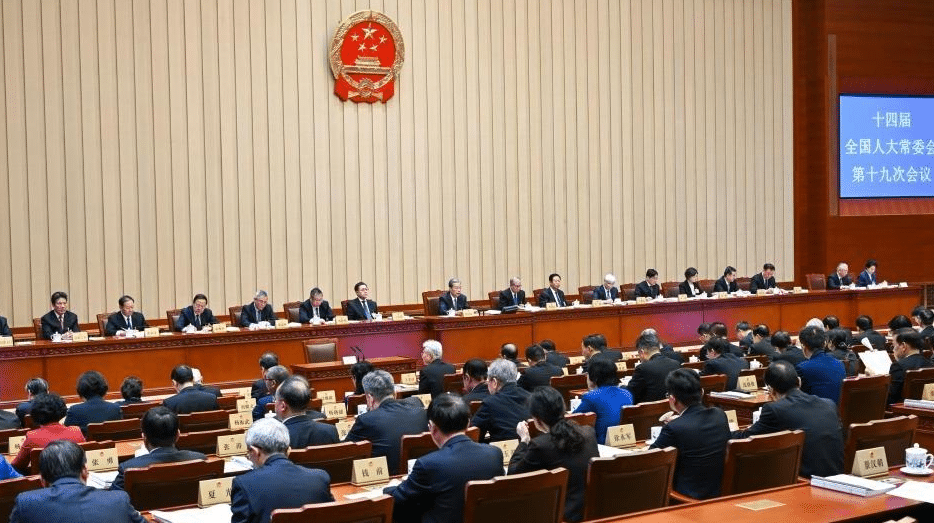
In late December 2025, China approved the most extensive overhaul of its Foreign Trade Law in decades, signaling a major shift in how Beijing plans to manage global trade challenges. Passed on December 27 by the Standing Committee of the National People’s Congress (NPC), the revised law will come into force on March 1, 2026.
The update equips Beijing with stronger legal tools to protect national economic interests, counter external trade pressure, and accelerate growth in high-tech and sustainable sectors—at a time of rising global uncertainty.
Why China Updated the Foreign Trade Law Now
China revised its Foreign Trade Law amid rising geopolitical and economic pressure. Trade tensions with the United States have intensified following the return of Donald Trump to the White House. This has raised concerns about new tariffs, tighter export controls, and stricter technology restrictions.
At the same time, China is preparing for changes in global supply chains. Beijing also wants to take a leading role in emerging trade sectors. These include digital services and green industries. The revised law shows China’s shift from reactive trade management to proactive rule-making in global commerce.
Key Changes in China’s Revised Foreign Trade Law
The updated legislation focuses on four strategic priorities.
1. Stronger Defenses Against Trade Restrictions
China now has clearer legal authority to respond to foreign sanctions and export controls. The law also targets discriminatory trade measures. Special attention is given to strategic sectors such as rare earth minerals and advanced technologies.
2. Higher-Quality and More Open Trade
The law supports China’s goal of becoming a “strong trading nation.” It aligns domestic trade rules with high-standard international frameworks. These include agreements like the Comprehensive and Progressive Agreement for Trans-Pacific Partnership.
3. Expansion of Digital and Green Trade
The revised law promotes cross-border e-commerce and digital services. It also supports mutual recognition of electronic certificates. Environmentally sustainable trade practices receive strong policy backing. These sectors are seen as critical to future global growth.
4. Stronger Protection for Businesses
Intellectual property protections have been strengthened. The law also introduces clearer safeguards for domestic firms and foreign investors. These rules aim to improve confidence in China’s trade environment.
Broader Geopolitical Context
The law was passed during a period of rising regional tensions. Days later, China conducted large-scale military exercises around Taiwan. These included live-fire drills and blockade simulations. Beijing described the drills as a stern warning against independence movements and foreign interference.
China also imposed sanctions on several U.S. defense companies. These included Boeing. The move followed American arms sales to Taiwan. Together, these actions show how closely China’s trade policy is linked to its security strategy.
What the Revised Law Means for the World
China’s Foreign Trade Law overhaul sends a clear global signal. Beijing is strengthening economic resilience and expanding its influence over global trade rules. By formalizing countermeasures, China aims to protect itself from external pressure.
The law also supports investment in future-focused sectors. This approach reduces reliance on any single market, especially the United States. For governments and businesses worldwide, the changes highlight the growing link between trade policy and geopolitics.
Companies operating in or with China should prepare for a more assertive regulatory environment from 2026. This reform positions China not just to defend its interests, but to shape the future of global trade.