
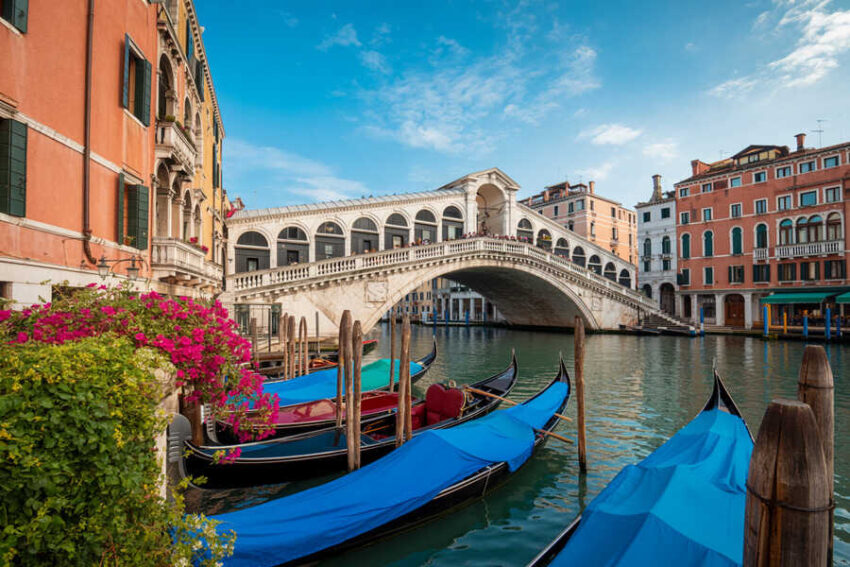
In a year marked by resilient global travel demand, Europe solidified its position as the world’s premier tourism destination in 2025. Countries including Italy, Finland, Greece, Slovenia, Spain, and Latvia, along with Croatia, Hungary, Portugal, and Poland, experienced unprecedented surges in visitor numbers and revenues. This growth was driven by sustainable initiatives, cultural allure, and strategic marketing.
Industry experts highlight that this collective boom not only exceeded pre-pandemic benchmarks but also reflected a shift toward authentic, eco-conscious experiences. With record-breaking arrivals and spending, these nations are setting the stage for continued dominance in the global travel landscape.
Italy Leads with Monumental Growth
Italy emerged as a tourism powerhouse in 2025, welcoming a staggering 185 million arrivals, a 7.1% increase from 2024’s 173 million, according to the Italian Ministry of the Interior’s Alloggiati Web platform. Domestic visitors rose 5.1% to over 81 million, while international arrivals surged 8.7% to more than 104 million.
Non-hotel accommodations, including B&Bs and agriturismi, saw a 13% spike, reflecting travelers’ preference for personalized stays. Iconic cities such as Rome and Florence, alongside emerging regions like Puglia and Sicily, fueled this growth.
“Italy is not just a destination; it is an experience,” said Maria Rossi, a tourism analyst in Rome. “From historic cities to rural escapes, the diversity of offerings is unparalleled.”
Finland’s Sustainable Appeal Draws Eco-Travelers
Finland’s focus on sustainability propelled its tourism sector forward in 2025, aligning with the national strategy for 2025 to 2028, which aims to make the country the Nordic region’s most sustainably growing destination.
Pristine landscapes, the Northern Lights, and eco-friendly initiatives attracted visitors, particularly to northern regions for winter activities such as husky sledding and ice hotels. The Sustainable Travel Finland program achieved broad industry participation by year-end, boosting Finland’s appeal to eco-conscious travelers.
“Sustainability is at the heart of Finland’s tourism identity,” stated Liisa Niemi, director of Sustainable Travel Finland. “Visitors now seek experiences that respect both nature and local communities.”
Greece Achieves Banner Year with Cultural and Island Draw
Greece enjoyed a record-breaking 2025, with tourism revenues surpassing €20 billion in the first nine months alone, a 9% rise from 2024. Arrivals reached 31.6 million, up 4%, and projections suggest over 35 million visitors for the full year, with receipts reaching €22.4 billion by October.
Iconic islands such as Santorini, Mykonos, and Crete, along with mainland sites like the Acropolis, drove this surge. Average spending per trip increased 3.9%, highlighting Greece’s ability to attract higher-value tourists.
“Greece is where culture meets the sea,” said Dimitris Papadopoulos, a tourism consultant based in Athens. “Our heritage and landscapes continue to captivate the world.”
Slovenia Emerges as a Sustainable Gem
Slovenia, often hailed as Europe’s hidden treasure, recorded a 9% growth in arrivals, reaching a historic 7 million visitors and 17.9 million overnight stays, up 6% overall. Foreign tourists, primarily from Germany, Austria, and Italy, accounted for 75% of overnights.
Visitors were drawn to Ljubljana’s charm and natural wonders such as Lake Bled. Slovenia’s commitment to eco-tourism and outdoor adventures increased repeat visits, positioning the country as a model for balanced growth.
“Slovenia shows that small countries can make a big impact,” commented Ana Kovač, director of the Slovenian Tourist Board. “Our focus on sustainability and unique experiences sets us apart.”
Spain Sets New Benchmarks in Volume and Value
Spain welcomed an astonishing 97 million international tourists in 2025, a 3.5% increase from 2024, generating €135 billion in spending, up 6.8%. Vibrant cities like Barcelona and Madrid, along with the Balearic and Canary Islands, saw influxes driven by cultural experiences and sustainable resorts.
This record solidified Spain’s status as a frontrunner, with growth outpacing arrivals due to higher per-visitor expenditures.
“Spain continues to thrive by blending tradition with modern tourism,” said José Luis Martínez, a Madrid-based travel analyst. “We are seeing a new era of high-value visitors.”
Latvia Rises with Affordable and Cultural Appeal
Latvia experienced a remarkable uptick in tourism, with an 8.6% increase in overnight stays in the first half of 2025, the second-highest in Europe. Riga’s Art Nouveau architecture and vibrant arts scene, supported by low-cost flights and national parks, attracted both leisure and business travelers.
Full-year data points to sustained growth, establishing Latvia as a popular choice for affordable European escapes.
“Latvia is emerging as a hidden gem in Europe,” said Kristīne Bērziņa, head of the Riga Tourism Office. “Our unique culture and accessible travel options are attracting visitors from across the continent.”
Other European Stars Shine Bright
The tourism surge extended beyond the headline countries. Croatia’s coastline and UNESCO sites fueled a summer boom. Hungary saw an 8.3% rise in arrivals, reaching over 20 million guests, with wellness spas and Budapest drawing crowds. Portugal recorded highs in the Algarve and Lisbon, driven by coastal and cultural offerings. Poland achieved a 7% growth in overnight stays, the EU’s second-fastest, supported by domestic exploration and historical towns.
Driving Factors and Future Outlook
Key drivers of growth included diversification into adventure, wellness, and eco-tourism, sustainability as a core appeal, and the rise of lesser-known destinations to counter overtourism. Europe’s overall 2.3% increase in overnight stays in the first half of 2025, reaching 1.28 billion, underscores this resilience.
Looking ahead, challenges such as climate change and capacity constraints loom, but opportunities abound through innovation and responsible practices. With these nations building on 2025’s success, Europe remains poised for sustained tourism leadership, blending heritage with forward-thinking strategies.
“Europe’s tourism story is one of resilience and reinvention,” said tourism economist Michael Hartmann. “The continent has proven it can lead the world while embracing sustainability and authentic experiences.”